
Event Planning for Spring: How to Estimate Wristband Needs for Large Crowds
Spring brings back outdoor festivals, school functions, charity runs, concerts, and community gatherings. With warmer weather comes larger crowds, longer days, and more details to manage.
One simple and effective way to stay organized is by using wristbands.
And successful planning starts with one key question: how many wristbands do I need?
Even if your event isn’t as big as Mardi Gras, you’ll still need accurate estimates. Whether you’re expecting 500 or 5,000 guests, understanding your wristband needs helps your event run smoothly from start to finish.
Let’s break down how to make the right call.
Step 1: Estimate Your Attendance Accurately
Start your event wristband planning with the right estimate. Use ticket sales, RSVPs, or venue capacity as your baseline. Ask these questions:
-
Is attendance capped or open?
-
Are tickets sold in advance or at the gate?
-
Do you expect walk-ups?
For large spring events, always consider a number and add 5% to 10% above projected attendance. Typically, late registrations, unexpected guests, staff additions, or any other emergencies can tip numbers upward, so plan accordingly.
For example:
-
If your event capacity is 5,000, order at least 5,250 wristbands, which is a 5% buffer.
-
For open community events with walk-in entries, add a larger buffer of 10–15%. That would bring this number to 5,500 to 5,750.
The more accurate your projection is, the better your event wristband planning will be, with no room for last-minute shortages.
Step 2: Account for Different Access Levels
When ordering wristbands for large events, you can’t rely on just one type. That’s because not everyone at your event needs the same level of access. You will need to create categories before placing your order.
Typically, a large event will have these groups:
-
General Admission: attendees with standard access.
-
VIP Guests: premium access with extra perks.
-
Staff or Volunteers: operational teams requiring frequent movement.
-
Vendors or Performers: specialized entry or backstage access.
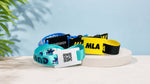
You can assign each group a unique color or material. For example, paper wristbands are ideal for large general admission groups as they are affordable and secure. They are also perfect for one to two-day events.
Vinyl wristbands, on the other hand, are best suited for multi-day or VIP use because they resist water and last longer. They are also excellent for custom printing, which makes it easier to add your event logo, details, or even a QR code to the wristbands.
Silicone is yet another great choice of wristbands for large events, and they are perfect for fundraising or souvenir purposes. Using this system reduces mix-ups and helps security easily identify guests at a glance. But if you are doing this, each group needs its own count.
Example breakdown:
-
General admission: 4,600
-
VIP: 300
-
Staff and volunteers: 400
-
Vendors and media: 200
-
Total: 5,500 wristbands
Always round up each category slightly to cover last-minute changes.
Step 3: Consider Event Duration
Another important factor to consider in event wristband planning is the duration. Ordering wristbands for one-day events is pretty straightforward. But if your event runs several days or has morning and evening sessions, your options include:
-
One durable wristband per attendee for the full event
-
Different wristband colors for each day
-
Replacement bands for damage or loss
For multi-day events, plan an extra 10% to 15% buffer. Weather, water activities, and extended wear increase replacement needs.
Step 4: Add a Contingency Buffer
Even the best estimates can miss a few surprises. Weather changes, unexpected walk-ins, and last-minute staff additions are all part of event life. That’s why it’s smart to build a solid contingency buffer into your order.
Use this simple guide when calculating extras:
-
Add 5% for single-day events with prepaid tickets and controlled entry.
-
Add 10% for multi-day events or events with open entry and re-entry.
-
Add extra wristbands for staff, volunteers, vendors, media, and last-minute promotions.
-
Include replacements for damaged, wrong-sized, or incorrectly issued bands.
It’s better to have a small surplus than to turn guests away because your stock ran out. Running out of wristbands creates delays, frustrates guests, and puts pressure on your staff. Ordering extra wristbands for large events costs far less than the disruption caused by shortages.
Step 5: Match Wristband Type to Crowd Size
When ordering wristbands for large events, match the material with the crowd. The right choice helps you control replacement needs and keeps entry running smoothly.
-
Paper wristbands work best for high-volume, single-day events with limited re-entry. They are lightweight, easy to apply, and cost-effective when you need thousands of bands for one day. Since they are designed for short-term use, plan a small buffer for replacements.
-
Vinyl wristbands are a better fit for multi-day events, outdoor festivals, and venues with water activities. They hold up well in heat, rain, and extended wear. Because they are harder to tear or remove, they reduce the need for daily replacements and help lower your overall buffer count.
-
Silicone wristbands work well for promotions, fundraising, and events where branding matters beyond entry control. Attendees often keep them after the event, which supports visibility but also means they may not be ideal for strict access control at large crowds.
Get more durable wristbands for large events with long hours, outdoor exposure, or repeat entry, to reduce replacements and simplify planning. Stronger materials help you order closer to your estimated count without risking shortages.
Step 6: Organize Distribution
Before your event starts, set up an organized plan for wristband distribution.
You can:
-
Divide your wristbands by type, color, or day before guests arrive.
-
Use clear containers or labeled bins for fast identification.
-
Train volunteers to attach wristbands securely but comfortably.
Efficient distribution helps your guests enter quickly and keeps lines short.
Order Wristbands for Large Events Stress-Free
Proper event wristband planning allows you to run the show smoothly, control attendance, and protect guest access. Start with accurate attendance estimates, select materials suited to your needs, and factor in inventory buffers. With thoughtful preparation, you’ll easily determine how many wristbands you need, making it easy to place your order.
Wristband Resources not only offers a wide range of wristbands, but also lets you place your order online (even with customizations) in just a few clicks. Browse our collection now to order online or call888.256.0816for help.
FAQs
1. How many wristbands do I need for a 5,000-person event?
Plan for at least 5,250 wristbands. Include a 5%–10% buffer for staff, vendors, and unexpected guests. If your event spans multiple days, consider different colors or materials per day for easier tracking.
2. What’s the best way to plan wristbands for a multi-day event?
Use different wristband colors or materials to separate days or access levels. Select vinyl wristbands for durability if the same band must last several days. Track distribution daily and keep extra bands on hand for replacements or new arrivals.
3. Should staff and volunteers use the same wristbands as attendees?
No, your staff and volunteers should have clearly different wristbands. This makes them easy to identify and prevents confusion at entry points.
4. How far in advance should I order wristbands for a large event?
Order wristbands at least two to three weeks before your event. This gives you time to adjust quantities, handle shipping delays, and account for changes in attendance.
Share

Leave A Comment


Your email address will not be published. Required fields are marked with *