
How to Wear a Lanyard the Right Way
A lanyard seems like the kind of thing nobody could wear incorrectly, but spend five minutes at any conference or hospital, and you will spot badges hidden under jackets, straps twisted into knots, and credentials dangling at knee level. Proper lanyard use affects visibility, comfort, safety, and the professional impression you leave on everyone who glances at your badge. Whether you are a first-time conference attendee or managing credentials for a 500-person corporate event, knowing how to put on a lanyard and wear one properly makes a real difference.
Getting the Basics Right
Before exploring different ways to wear a lanyard, the fundamentals matter. A lanyard should hold a credential at a height and angle that allows others to read the badge without the wearer needing to lift, flip, or adjust anything. Comfort over a full day of wear is equally important, especially at events or workplaces where the lanyard stays on for eight or more hours.
Correct Length and Badge Position
The standard lanyard length positions a badge at mid-chest height, roughly between the sternum and the navel. A badge worn too high sits directly under the chin and can feel restrictive. A badge worn too low swings freely and becomes difficult for others to read. Adjustable custom lanyards with buckle closures let wearers fine-tune the drop length for their body type and preference. When adjusting, aim for the badge to rest naturally against the chest without needing to be held or pulled taut. The printed side of the badge should face outward, and any barcode or QR code should remain unobstructed for scanning.
Keeping the Badge Visible
The entire purpose of wearing a lanyard is to display a credential where others can see it. Tucking the badge inside a jacket, sweater, or scarf defeats that purpose and creates friction at security checkpoints. Keep the lanyard outside all layers of clothing so the badge rests flat against the outermost garment. At conferences, position the badge so the name and organization are readable at a conversational distance. Some badge holders include a transparent window on both sides, allowing the credential to be read regardless of which way the badge naturally rotates.
Different Ways to Wear a Lanyard
Lanyard wearing styles vary based on the setting, the wearer's role, and the type of credential being displayed. Most people default to the standard neck-worn position, but several alternatives exist for different contexts.
Standard Neck Wear
The most common wearing style places the lanyard loop over the head and around the back of the neck, with the badge hanging at the front of the chest. The strap should lie flat against the back of the neck without bunching or twisting. For long-haired wearers, pulling the lanyard under the hair prevents tangling and keeps the strap from being hidden. A smooth polyester strap, like the ones on sublimated lanyards, reduces friction against skin and clothing compared to rougher materials.
Around-the-Shoulder Style
Some wearers prefer slinging the lanyard diagonally across one shoulder, similar to a crossbody bag strap. The badge hangs at the hip or waist rather than the chest. Around-the-shoulder wear is common in casual settings, outdoor events, and environments where a front-hanging badge feels cumbersome during physical activity. Keep in mind that badge visibility decreases in this position, so shoulder wear is best suited for events where the wristband or a secondary visual check handles primary identification.
Wrist Lanyard for Compact Items
Short wrist lanyards carry keys, USB drives, or small tools rather than full-sized badges. A wrist lanyard loops around the hand or forearm and keeps essential items tethered without the bulk of a neck-worn strap. Wrist lanyards are common in IT, manufacturing, and photography settings where quick access to a small tool matters.
Safety Considerations for Proper Lanyard Use
Lanyards introduce a potential safety hazard in environments with moving machinery, active children, or crowded spaces. A lanyard caught on a door handle, piece of equipment, or another person's bag can jerk the wearer's neck or create a choking risk. Addressing these risks requires the right hardware and wearing habits.
When to Use a Safety Breakaway
Safety breakaway clasps are designed to snap apart under a set amount of force, releasing the lanyard from the wearer's neck before injury occurs. Breakaway clasps are standard in healthcare, education, and manufacturing settings where the risk of snagging is highest. When purchasing lanyards for any environment involving children, patients, or heavy equipment, a breakaway feature should be considered mandatory rather than optional.
Settings where breakaway lanyards are essential include:
- Hospitals and clinics where lanyards could catch on beds, IV poles, or door handles
- Schools and childcare centers where young children may grab or pull lanyards
- Warehouses and factory floors where straps near conveyor belts or machinery pose entanglement risks
Avoiding Common Hazards
Beyond breakaway clasps, a few simple habits reduce lanyard-related risks. Remove the lanyard before operating machinery or engaging in physical activity. Tuck the lanyard inside a shirt when bending over ledges, open containers, or chemical baths. In settings where neck-worn credentials are risky but identification is still required, switching to custom wristbands or clip-on badge reels eliminates the hazard entirely.
Quick safety habits to follow when wearing a lanyard include:
- Remove the lanyard before operating machinery, cooking, or using power tools
- Use a breakaway clasp in any environment involving children, patients, or heavy equipment
- Tuck or remove the lanyard during meals to avoid the badge dipping into food or drinks
- Switch to a wristband credential for outdoor, high-energy, or water-based events
Lanyard Etiquette at Professional Events
Conferences, trade shows, and corporate gatherings each have unwritten expectations about how credentials should be displayed. Meeting those expectations projects professionalism and makes networking smoother.
Conference and Trade Show Best Practices
Position the badge so your name is the most prominent element visible from arm's length. Avoid stacking multiple badges, ribbons, or stickers on top of the credential, which obscures the information others are trying to read. When wearing a lanyard with a sponsor-branded strap, keep the branding visible rather than flipping the strap inward. Sponsors invest in lanyard branding specifically for that visibility, and event organizers often appreciate attendees displaying it properly.
Pairing Lanyards With Wristbands
Many events use a combined credential system where a lanyard holds detailed attendee information (name, role, organization) while a wristband provides quick visual access verification. A Tyvek® wristband in a specific color can signal VIP status, meal access, or age verification at a glance, while the lanyard badge handles scanning and detailed identification. Pairing both keeps check-in lines moving and reduces the number of times an attendee needs to present credentials manually.
Caring for and Reusing Lanyards
A well-made polyester lanyard can last through dozens of events if maintained properly. Keeping the strap clean, untwisted, and stored flat extends its usable life and maintains a professional appearance.
Cleaning and Storage
Polyester lanyards can be spot-cleaned with mild soap and water or wiped down with a damp cloth. Avoid bleach or harsh chemicals that can fade printed or woven designs. After cleaning, hang the lanyard straight to air dry rather than crumpling it into a drawer. For event organizers collecting lanyards for reuse, storing them in flat bundles or on hooks prevents tangling and preserves hardware. Replacing just the badge insert while reusing the strap is a cost-effective and sustainable approach for recurring events.
When to Pair With Wristbands Instead
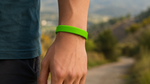
Outdoor events, multi-day festivals, waterparks, and high-energy environments often render lanyards impractical. Rain, sweat, swimming, and crowd density all work against a neck-worn credential. In those scenarios, vinyl wristbands or silicone bracelets provide a waterproof, tamper-resistant alternative that stays secure during any activity and lasts up to 14 days.
Wear the Strap, Own the Room
A properly worn lanyard keeps credentials visible, comfortable, and safe across any setting. Getting the details right, from badge height to breakaway selection, reflects the same attention to detail that defines a well-run event or a polished workplace.
Wristband Resources offers sublimated, woven, and screen-printed lanyards with safety breakaways and adjustable closures. Browse options at wristband.com or call 888-256-0816 for a custom quote.
Frequently Asked Questions
How high should a badge hang on a lanyard?
A badge should sit at mid-chest height, roughly between the sternum and the navel, so the name and details are readable at conversational distance without the wearer needing to lift the badge.
What is a lanyard breakaway clause for?
A breakaway clasp snaps open under force to release the lanyard from the wearer's neck, preventing choking or injury if the strap gets caught on an object.
Can lanyards be worn over a jacket?
Yes. Lanyards should always be worn outside the outermost layer of clothing so the badge remains visible. Tucking a lanyard under a jacket defeats the purpose of wearing one.
Should I remove my lanyard during meals?
Removing or tucking the lanyard during meals prevents the strap or badge from dipping into food or drinks. Draping the lanyard over one shoulder is a common workaround at seated lunches.
Are wristbands better than lanyards for outdoor events?
For outdoor events involving water, physical activity, or multi-day wear, wristbands are generally more practical because they stay secure and resist weather conditions that would damage a badge.
How do I keep my lanyard from twisting?
Use a flat polyester strap rather than a round cord, and straighten the lanyard before putting it on. Sublimated and woven polyester straps resist twisting better than thinner, lighter materials.
Share

Leave A Comment


Your email address will not be published. Required fields are marked with *