
Innovative Uses of RFID Wristbands and How They Are Changing the Festival Experience
Standing in a 30-minute line for a drink while your favourite band plays the main stage is not exactly the festival experience anyone signs up for. Long queues at entry gates, lost tickets, counterfeit wristbands, and cash-handling headaches have been pain points for festival organisers and attendees for years. RFID wristbands for festivals are solving all of those problems at once.
Major events like Coachella, Tomorrowland, and Bonnaroo have already made the switch, and the results speak for themselves: faster entry, shorter vendor lines, and measurably higher on-site spending. Below is a complete look at how RFID wristbands at music festivals actually work, the specific benefits they deliver for both organisers and festivalgoers, and what to consider when choosing the right wristband material for your event.
What Are RFID Wristbands and How Do They Work?
Before getting into the applications, a quick primer on the technology itself is helpful. RFID stands for Radio Frequency Identification, and the concept is simpler than the name suggests.
The Basic Components
Every RFID system has two parts: a tag (embedded inside the wristband) and a reader (installed at gates, vendor stations, or checkpoints). The tag contains a tiny chip and an antenna. When an attendee taps or waves their wristband near a reader, the reader sends out radio waves that activate the chip. The chip responds with a unique identifier, and the reader sends that data to a backend system where it gets matched to the attendee's profile, ticket, or payment account.
The whole exchange happens in under two seconds. Compare that to 15 to 30 seconds for a traditional card transaction or the time it takes to count out cash and make change.
Why RFID Beats Barcodes
Barcodes and QR codes need line-of-sight scanning, which means the wristband has to be oriented a certain way, the code has to be clean and undamaged, and a staff member usually has to assist. RFID wristbands can be read from any direction, even through the back of the tag. Dirt, rain, mud, and sweat do not affect the scan. For outdoor, multi-day events where wristbands take a beating, that reliability is a major advantage.
Cashless Payments at Festivals: The Biggest Game-Changer
Of all the benefits of RFID wristbands at events, cashless payment capability gets the most attention, and for good reason. When attendees can buy food, drinks, and merch with a tap of their wrist instead of fumbling for a wallet, the entire on-site economy speeds up.
How Cashless Payment Works
Attendees either preload funds onto their wristband (online before the event or at top-up kiosks on-site) or link the wristband directly to a credit or debit card during registration. Once activated, buying a beer or a t-shirt is as simple as tapping the wristband against the vendor's reader. No cash. No card. No phone. Just a tap and go.
The Revenue Impact
Multiple industry reports consistently show that cashless payments at festivals lead to a 15% to 30% increase in per-attendee spending. The reasons are straightforward:
- Shorter lines mean more transactions per hour at each vendor station
- The frictionless "tap to pay" experience lowers the psychological barrier to making a purchase
- Attendees are not limited by how much cash they happen to have in their pockets
For organisers, that spending lift translates directly to higher vendor revenues and stronger sponsorship value.
What About Refunds on Unspent Balances?
One common concern is leftover funds on preloaded wristbands. Most RFID cashless systems allow attendees to request a refund of unused balances after the event through an online portal. Clear communication about the refund process before and during the festival keeps attendees comfortable with the system.
Faster Entry and Airtight Access Control
Long lines at the gates set a bad tone for the entire event. A single bottleneck at entry can cascade into crowd management problems, frustrated attendees, and negative social media posts before the first act even starts.
Speed at the Gate
An RFID festival wristband eliminates the manual ticket-check step entirely. Attendees walk up, tap their wrist against a reader, and move through. RFID portals can process thousands of wristbands per hour, and because the chip can be read from any angle, there is no awkward pause while a staff member tries to find the barcode.
Zone-Based Access
RFID technology makes it simple to assign different access levels to different wristbands. General admission, VIP, backstage, artist lounge, sponsor areas, and camping zones can all be programmed onto a single band. If an attendee tries to tap into a zone they are not authorised for, the reader simply denies access. No confrontation, no confusion, no paper lists.
For large-scale event wristbands with multiple ticketing tiers, that kind of automated zone control is a major operational upgrade.
Real-Time Data and Analytics
RFID wristbands for concerts and festivals generate a layer of operational intelligence that was simply not available with traditional ticketing. Every tap creates a data point, and those data points add up fast.
What Organisers Can Track
The volume of actionable data from RFID wristbands for events is substantial. Organisers can monitor:
- Real-time attendance counts at every gate and zone
- Crowd flow patterns between stages, vendor areas, and rest zones
- Peak purchasing times at food and beverage stations
- Which merch items sell fastest and where
- Average transaction value by vendor location
Putting Data to Work
All of that information feeds into real-time dashboards that allow organisers to make adjustments on the fly. A sudden crowd surge at one stage? Deploy additional security. A bar running low on stock? Reroute inventory before it runs out. Is one food vendor consistently underperforming? Relocate or adjust the menu for the next day.
Post-event, the same data becomes a powerful tool for planning the next festival, negotiating with sponsors, and demonstrating ROI to stakeholders.
Enhanced Security and Fraud Prevention
Counterfeiting has always been a headache for festival organisers. Paper tickets and basic wristbands can be copied, shared, or resold. An RFID festival wristband is virtually impossible to duplicate because each chip carries a unique encrypted identifier that gets verified against a secure backend database in real time.
Anti-Counterfeiting
Unlike printed barcodes or simple adhesive wristbands, RFID wristbands cannot be cloned with a photocopier or smartphone. The embedded chip communicates directly with the event's secure database, and any attempt to use a duplicate triggers an immediate flag.
Reduced Cash-Related Risk
Going cashless eliminates several security concerns at once. Vendors no longer need to handle large amounts of physical cash, which reduces the risk of theft, shortages from counting errors, and the logistical burden of on-site cash management. Transaction audit trails are fully digital, making end-of-event reconciliation faster and more accurate.
Social Media Integration and Fan Engagement
Some of the most creative uses of RFID wristbands at music festivals go beyond payments and access control. RFID can turn passive attendees into active participants.
Tap-to-Share Experiences
At Coachella, RFID "hubs" were installed next to stages where fans could tap their wristband to check in, receive exclusive Spotify playlists, and automatically share their experience on social media. After the festival, attendees received a personalised digital postcard showing all the stages they visited and interactions they had.
Gamification and Sponsor Activations
Sponsors love RFID because it creates measurable, interactive touchpoints. A beverage brand could set up a station where attendees tap their wristband to receive a free sample and automatically enter a giveaway. A streaming service could unlock exclusive content when attendees check in at specific locations. Every interaction is tracked, giving sponsors concrete engagement numbers instead of vague foot-traffic estimates.
Choosing the Right RFID Wristband Material for Your Festival
Not all RFID wristbands are built the same. The right material depends on the duration of your event, the environment, and the level of security you need.
Plastic and Vinyl RFID Wristbands
For multi-day festivals, plastic wristbands and vinyl wristbands with embedded RFID chips are the go-to choice. Plastic bands last up to 7 days, while vinyl bands hold up for as long as 14 days. Both feature locking snap closures that cannot be removed without cutting, which prevents transfer and counterfeiting. Waterproof and fade-resistant, these materials handle rain, heat, and sweat without any issues.
Cloth (Fabric) RFID Wristbands
Cloth RFID wristbands combine premium aesthetics with serious durability. Full-colour sublimation printing allows for unlimited design options, making them ideal for branded festival experiences. Attendees often keep cloth wristbands as souvenirs long after the event ends, which extends your branding reach for weeks or even months. Closures are available in both one-time security and adjustable reusable options.
Silicone RFID Wristbands
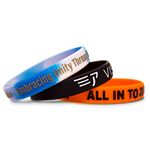
For recurring venues like gyms, athletic clubs, or season-pass programmes at amusement parks, silicone RFID bands are a strong choice. Made from 100% latex-free silicone, they are reusable, comfortable for extended daily wear, and resistant to heat, chemicals, and UV light. While less common for single-run festivals, they work well for venues that host regular events throughout a season.
Common Concerns About RFID at Festivals
Switching to RFID is a significant operational change, and organisers understandably have questions. A few of the most common ones are addressed directly.
Is the Technology Reliable in Large Crowds?
Yes. Modern RFID systems are specifically designed for high-density environments. Anti-collision protocols allow readers to process multiple tags simultaneously without interference, even at peak traffic points like main-stage entry or headline-act intermissions.
What Happens if a Wristband Stops Working?
RFID wristbands, especially those embedded in vinyl or plastic, are built to withstand submersion, impact, and extreme temperatures. Failure rates are very low. Most events set up a help desk where attendees can get a replacement wristband with their account data transferred in minutes.
What About Data Privacy?
Reputable RFID systems do not store personal information on the tag itself. The chip carries only a unique identifier that links to an encrypted backend account. Attendees typically opt in during registration, and refund or data-deletion requests are handled post-event. Clear privacy policies communicated before the festival go a long way toward building trust.
Make Your Festival Future-Ready
RFID wristband for events technology has moved from novelty to necessity. Cashless payments at festivals speed up every transaction, RFID wristbands for concerts eliminate counterfeit risk, and the real-time data that flows from every tap gives organisers the insights they need to run a tighter, more profitable event.
Wristband Resources offers RFID wristbands in plastic, vinyl, cloth, and silicone formats, all with embedded transponder chips ready for cashless payments, access control, and data collection. Have questions about which material or chip type fits your festival? Reach out to the Wristband Resources team by phone at 888-256-0816, by email at info@wristband.com, or through live chat, Monday to Friday, 8:30 AM to 5:00 PM CST.
Frequently Asked Questions
What is an RFID wristband, and how does it work at a festival?
An RFID wristband contains a small chip and antenna that communicate with readers via radio waves. Attendees tap their wrist at gates, vendor stations, or checkpoints for instant access verification or payment.
How do cashless payments work with RFID wristbands?
Attendees preload funds onto their wristband or link a credit/debit card during registration. Purchases at food, drink, and merch vendors are completed with a single tap against a reader.
Can RFID wristbands be counterfeited?
No. Each chip carries a unique encrypted identifier verified against a secure database in real time. Duplicating an RFID chip is not possible with consumer-grade tools.
What happens to unspent money on a preloaded RFID wristband?
Most RFID cashless systems offer post-event refunds for unused balances through an online portal. Refund policies vary by event, so attendees should check the specific festival's terms.
Which wristband material is best for a multi-day outdoor festival?
Plastic (up to 7 days) and vinyl (up to 14 days) are the most popular for multi-day outdoor festivals. Both are waterproof, fade-resistant, and feature tamper-proof snap closures.
Are RFID wristbands safe in terms of personal data?
RFID tags store only a unique identifier, not personal information. All sensitive data is held on encrypted backend servers, and attendees typically opt in during registration with clear privacy terms.
Share

Leave A Comment


Your email address will not be published. Required fields are marked with *